If you love the Sonoran Desert and open skies, Cave Creek might be calling your name. The key to buying well here is matching your home’s style to the climate, the lot, and your long-term plans. In this guide, you’ll compare Desert Contemporary, Territorial or Santa Fe, and Ranch styles, plus learn what matters for comfort, maintenance, and resale. You’ll also get a practical checklist to use before you tour. Let’s dive in.
What drives Cave Creek home design
Cave Creek sits in a hot desert climate with very hot summers, mild winters, and big swings between day and night. Summer highs often hit triple digits, winters often sit in the 50s to 70s, and monsoon storms bring bursts of heavy rain. These conditions make shading, thermal control, waterproofing, and water-wise landscaping essential.
Many homes are on hillside or large natural-desert lots. Before you buy or renovate, check local planning and permitting for grading, drainage, retaining walls, driveways, septic or sewer, and any view-shed or setback rules. Some areas include wildfire defensible-space guidance and neighborhood design reviews, so confirm any HOA or town requirements early.
Desert Contemporary
Defining features
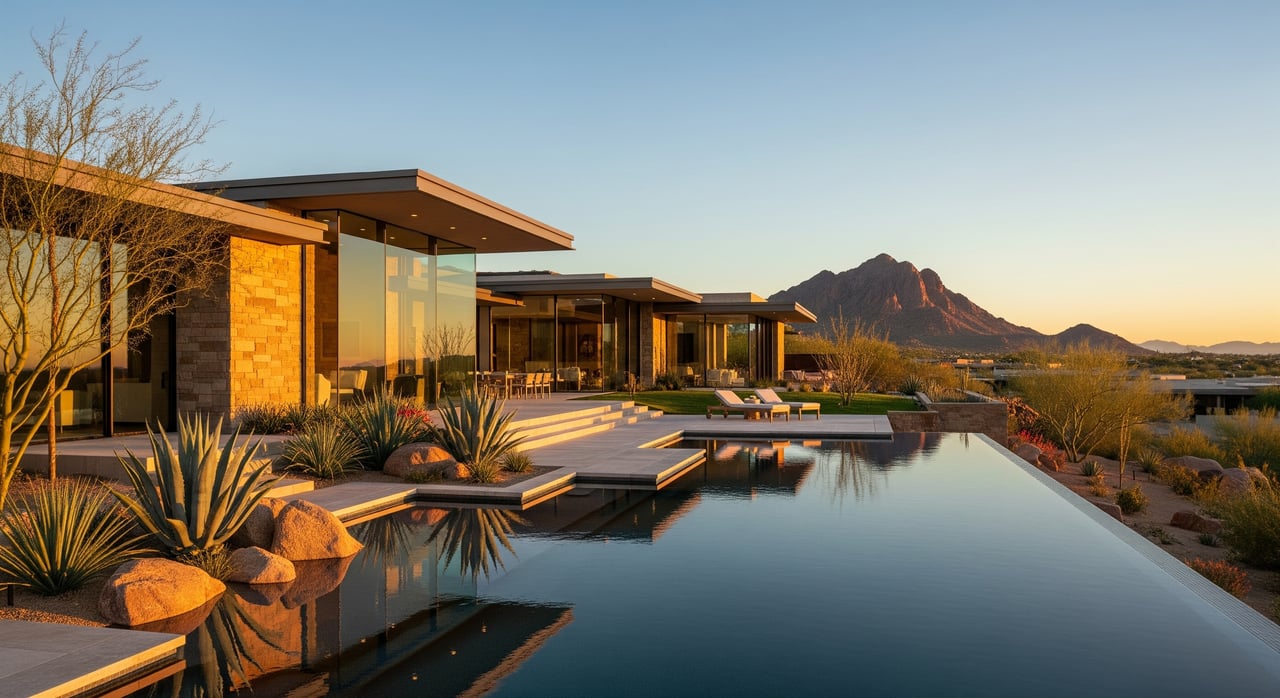
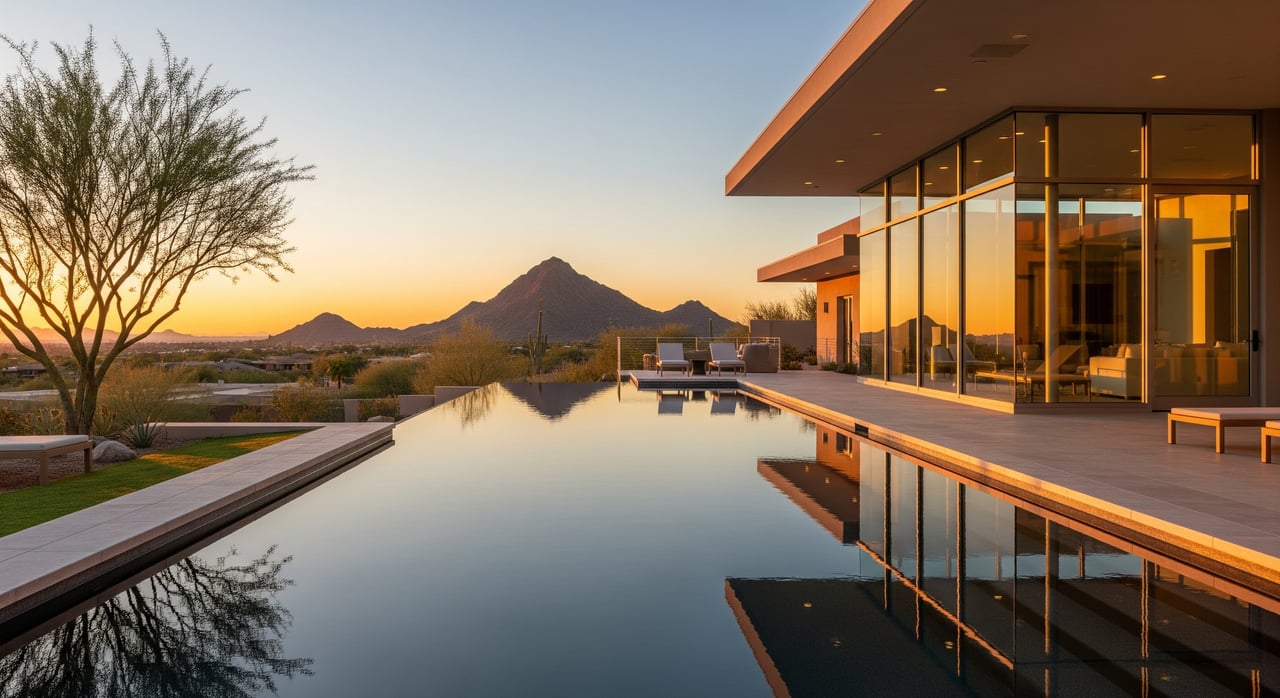
Desert Contemporary homes favor clean lines, flat or low-pitched roofs, and big glass openings. You often see open floor plans, steel or wood accents, and seamless indoor-outdoor living through patios and courtyards. Finishes typically include smooth stucco or cement, metal, concrete, and large insulated glazing.
Climate fit
When designed for the sun, this style performs well. Deep overhangs, screens, and thermal mass like concrete floors help moderate heat. The tradeoff is glass area. Without high-performance windows and good shading, cooling loads rise fast.
Flat roofs demand careful detailing. A light, reflective membrane and positive drainage help manage heat and monsoon rain.
Maintenance to expect
- Large glass needs periodic cleaning and seal checks, especially around frames.
- Flat roofing membranes require regular inspections for ponding and seams, with repairs or replacement roughly every 10 to 20 years depending on the system.
- Metal accents may need corrosion protection where exposed to sun and moisture.
Resale signals
Modern design has strong appeal, especially on view lots. Buyers value quality execution, high-performance glazing, and thoughtful shading. Too much unshaded glass or poor detailing can hurt comfort and marketability.
Territorial and Santa Fe
Defining features
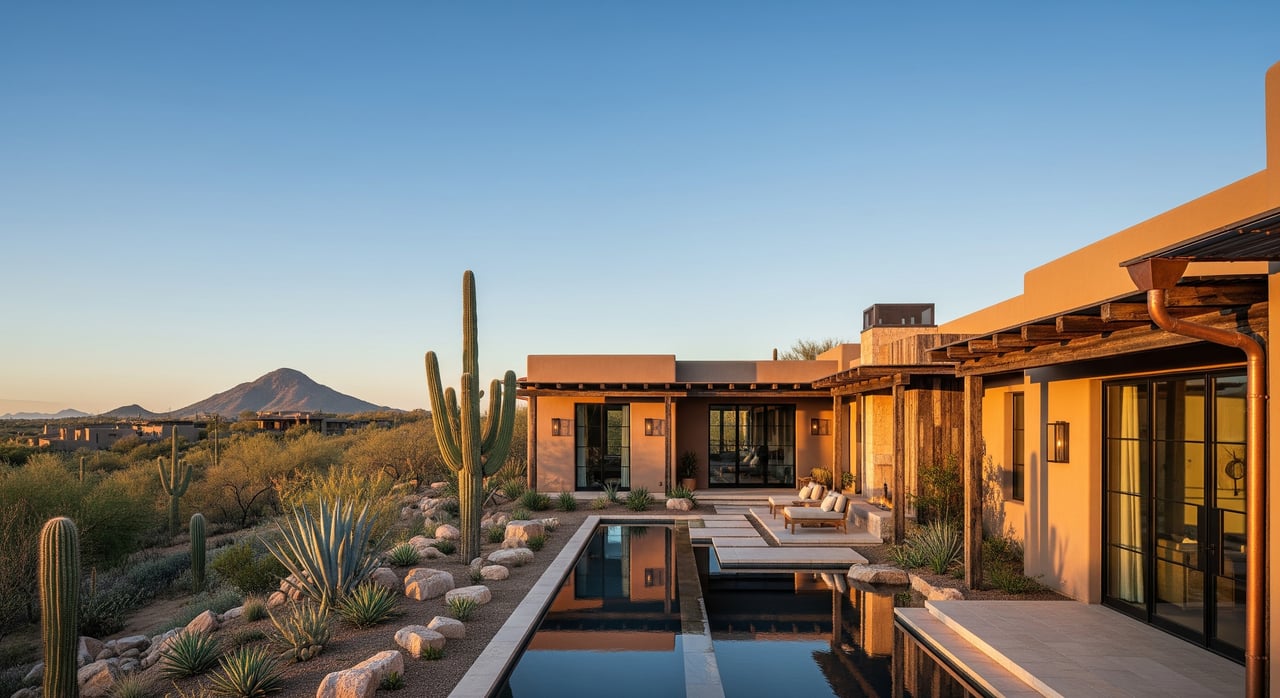
Territorial or Santa Fe homes use sculpted forms, rounded corners, and earth-tone stucco. You may see flat roofs with parapets, vigas or exposed timbers, tile accents, and shaded courtyards. Materials include cement or lime-based stucco and clay tile details.
Climate fit
Thick walls and thermal mass help stabilize interior temperatures. Courtyards and deep walls provide passive cooling and outdoor shade. Light colors and clay tile reflect heat well. Traditional flat parapet roofs still need robust waterproofing to handle monsoon bursts. Authentic adobe elements require specialized care, which not all builders replicate today.
Maintenance to expect
- Stucco needs periodic repainting or re-coating and hairline crack repairs. Strong flashing and sealants at openings reduce water intrusion risk during storms.
- Timber vigas and trim need sealing or paint on a regular cadence based on sun exposure. Plan for insect inspections.
- Tile accents and tile roofs last a long time, but replace broken tiles quickly to prevent leaks.
Resale signals
This look carries a strong regional identity that fits Cave Creek’s desert character. Buyers respond to authenticity and craftsmanship. Properly flashed openings, quality stucco, and thoughtful courtyards support value over time.
Ranch style
Defining features
Ranch homes are typically single story with low profiles, simple massing, and broad overhangs. You may find attached garages and larger lots that can include horse facilities in some parcels. Exterior materials often include stucco, wood, brick, or stone with gabled or low-pitched roofs.
Climate fit
Single-level living is easy to navigate and can be energy friendly with the right upgrades. Broad eaves and porches help shade windows and patios. Older ranch homes may need insulation, HVAC, and window improvements for peak performance in summer heat.
Maintenance to expect
- Roof life varies by material. Asphalt shingles run about 15 to 25 years in intense sun, while tile or metal last longer at higher upfront cost.
- Many mid-century ranches benefit from envelope upgrades like additional attic insulation, double-pane low-e windows, and modern HVAC.
Resale signals
Ranch homes have broad appeal, especially for single-level living and usable outdoor space. With views or larger lots, updated ranch properties can command premiums. Energy efficiency upgrades are a smart value play.
Materials and systems that work here
Thermal control
- Choose high-performance windows with low-e coatings and thermally broken frames. Limit or shade west and south glazing.
- Add deep overhangs, pergolas, horizontal shades for south exposures, and vertical screens for west-facing glass. Motorized sunscreens can help.
- Use reflective roofing membranes, light-colored tile, or coated standing-seam metal. Insulate roof decks and consider radiant barriers in attics.
- Leverage thermal mass like masonry floors or walls, then ventilate at night when temperatures drop, where it is safe to do so.
Envelope durability and monsoon resilience
- Detail stucco with control joints, weep screeds, and a drainage plane. Keep stucco above grade and maintain flashings at windows and roof intersections.
- Ensure flat or low-slope roofs have positive drainage and well-designed internal drains to avoid ponding.
- Inspect flashing and sealants at roof-to-wall intersections, skylights, chimneys, and large glass. Plan a post-monsoon check.
- Maintain termite protection and schedule annual inspections.
Mechanical systems and energy
- Use properly sized, high-efficiency HVAC. Variable-speed compressors and zoning improve comfort and cost. Keep ductwork in conditioned space when possible or seal it well in attics.
- Service HVAC twice a year and use quality filtration, since dust can stress equipment.
- Solar performs well with our high sun. Many buyers value owned PV systems for lower operating costs and improved saleability.
- Evaporative coolers can work in low humidity, but most modern homes rely on air conditioning since coolers lose effectiveness during monsoon season.
Landscaping and water management
Select native or drought-tolerant plants like palo verde, mesquite, agave, ocotillo, and desert grasses to reduce irrigation.
Use decomposed granite, gravel, permeable pavers, and flagstone for low-water hardscapes. Add swales and rock-lined channels to guide stormwater.
Install drip irrigation with smart controllers that adjust to local conditions. Keep turf areas small or consider none.
Costs and value signals
Relative costs vary with the lot, finishes, and labor. Desert Contemporary often lands mid to high per square foot due to custom detailing, large glazing, and specialty roofs. Territorial or Santa Fe can be moderate to high, especially when thick-wall look, quality stucco, timber, and tile are done right. Simpler Ranch forms can be more budget friendly to build or remodel, but energy upgrades add cost.
Expect higher line items for premium glazing, solar-control shading, roof systems that handle heat and monsoons, and grading on sloped or rocky sites. Xeriscape hardscaping and irrigation upgrades are smart long-term plays. Pools are popular in the desert and add enjoyment, with resale that ranges from neutral to positive depending on neighborhood expectations and buyer profile.
Buyers consistently reward view lots, privacy, and outdoor living spaces that offer shade and comfort. Energy efficiency and owned solar attract attention and can lift saleability and price. Updated HVAC, roofs in good condition, and modern windows reduce buyer hesitation and speed decisions.
Buyer checklist for Cave Creek
Before you tour or make an offer
- Orientation and solar exposure: note where the largest windows face and how west and south are shaded.
- Roof type and age: identify tile, metal, shingle, or membrane and ask about last replacement or repair.
- Windows and HVAC: confirm double-pane low-e, and check HVAC age plus service records.
- Stucco and envelope: look for cracks, soft spots near grade, and signs of leaks such as stains.
- Lot drainage: scan for erosion channels and evidence of sheet flow after rains.
- Irrigation: check for drip systems, smart controllers, and any leaks.
- Solar: determine if PV is owned or leased, then review the terms if leased.
- Rules and reviews: confirm HOA design guidelines and any town or county design review that could affect renovations.
Ongoing maintenance to budget
- Stucco and paint touch-ups every 5 to 10 years, based on exposure.
- Roof inspections yearly, with more frequent checks for flat roofs or after monsoon season.
- HVAC service twice yearly, including filter changes suited to dusty conditions.
- Irrigation tune-ups and occasional controller or emitter replacements.
- Pool care if present, from chemicals to equipment service.
Insurance and risk notes
- In wildland-urban interface areas, plan for defensible space and confirm insurance requirements.
- Keep records of roof, window, and stucco maintenance that support coverage for storm events.
Which style fits your goals
- You want views and sleek lines: consider Desert Contemporary with high-performance glass, deep overhangs, and a reflective flat roof system.
- You value regional character and cool courtyards: Territorial or Santa Fe with thick-wall look, quality stucco, and well-detailed parapet roofs is a strong fit.
- You want single-level living and upgrade flexibility: Ranch can deliver comfort and value with targeted insulation, window, and HVAC improvements.
- You invest for ROI: prioritize lots with views and privacy, documented energy efficiency, owned solar, and low-maintenance landscape that align with buyer demand.
Ready to compare specific properties or plan upgrades that boost comfort and resale? Get investor-level guidance with boutique service. Contact Dennis Salazar for a focused strategy on your Cave Creek purchase.
FAQs
What are the key differences between Desert Contemporary and Santa Fe homes in Cave Creek?
- Contemporary emphasizes large glass, clean lines, and flat roofs, while Santa Fe focuses on sculpted stucco, earth tones, courtyards, and parapet roofs that echo regional tradition.
How do flat roofs hold up during Arizona monsoon season?
- They perform well when designed with reflective membranes, proper slopes, and internal drains, plus regular inspections to prevent ponding and seal failures.
Which energy upgrades matter most for resale in Cave Creek?
- High-performance windows, efficient HVAC with zoning, good attic or roof-deck insulation, reflective roofing, and owned solar are strong value drivers.
Are pools a good investment for resale in Cave Creek?
- Pools are highly desirable for lifestyle and can be neutral to positive for resale depending on neighborhood norms and buyer profile, though they add ongoing maintenance.
What should relocating buyers know about rules and permits in Cave Creek?
- Confirm town and county requirements for grading, drainage, retaining walls, septic or sewer, hillside rules, and any HOA design reviews before planning changes.
How long do common roof types last in intense desert sun?
- Asphalt shingles often last about 15 to 25 years, while tile or metal systems can last longer with higher upfront cost and proper maintenance.
Do solar panels add value when selling in Cave Creek?
- High solar exposure supports strong PV performance, and many buyers value owned systems for lower operating costs and improved saleability.